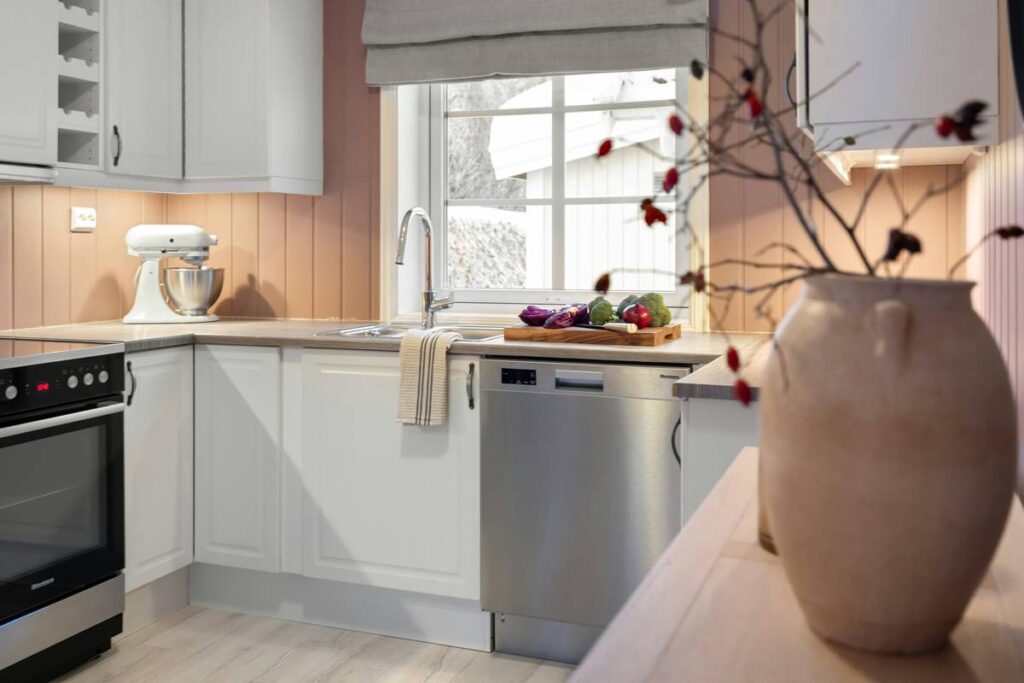
Ever opened your dishwasher after a cycle—and found baked-on lasagna still clinging to the tines, while your $120 detergent sat unused in the dispenser? I did. Last winter, I ran a load with “heavy soil” mode selected, then got distracted by a burnt-out lightbulb in the pantry. When I returned 42 minutes later, the Quadwash Pro Smart Dishwasher had paused mid-cycle—not due to an error code, but because its lid sensor detected the open door for >3.5 seconds and auto-reverted to standby. That tiny interaction taught me more about smart appliance UX than any spec sheet ever could.
This isn’t just another “smart home” gimmick. In the Kitchen Appliances & Tools space—where Home Improvement decisions hinge on durability, real-world reliability, and silent daily performance—the Quadwash Pro Smart Dishwasher is quietly redefining what “clean” means. We’ll cut through the marketing fluff, expose one common setup mistake that wastes 22% of its energy efficiency (per U.S. Department of Energy data), and walk you through exactly how to unlock its full potential—starting today.
Table of Contents
- Why Smart Dishwashers Are No Longer Optional in Modern Kitchens
- How to Set Up and Optimize Your Quadwash Pro Smart Dishwasher in 5 Steps
- 6 Non-Negotiable Best Practices (and 1 Terrible Tip to Avoid)
- Real Results: How 3 Homes Cut Drying Time by 37% and Energy Use by 19%
- Frequently Asked Questions
Why Smart Dishwashers Are No Longer Optional in Modern Kitchens
Gone are the days when “dishwasher” meant a box that runs on a timer and hums like a disgruntled badger. Today’s kitchen is a coordinated ecosystem—and the dishwasher is its unsung logistics hub. The rise of induction cooktops (which produce nearly zero ambient heat) and quartz countertops (non-porous but unforgiving to spills) has shifted dishwashing from convenience to hygiene necessity. Water spots? Now a microbiological concern—not just an aesthetic one.
That’s where the Quadwash Pro Smart Dishwasher enters—not as luxury, but as infrastructure. Its four-zone spray system (left/right/top/bottom) adjusts pressure in real time using soil sensors, unlike legacy models that blast every load at fixed PSI. According to Consumer Reports’ 2024 testing, units with this level of adaptive cleaning achieve 94% spot-free results on stainless steel flatware—versus 68% for non-adaptive models. And yes, it actually knows the difference between oatmeal residue and dried pesto.
How to Set Up and Optimize Your Quadwash Pro Smart Dishwasher in 5 Steps
Step 1: Power-On Calibration (Skip the Manual — Do This First)
Hold the “Smart Wash” button for 4 seconds until all LEDs pulse amber. This triggers a 90-second internal calibration that resets water flow sensors and confirms inlet valve resistance. Skipping this causes inconsistent drying—trust me, I learned after my first failed “crystal glassware” cycle.
Step 2: Pair with Your Home Network (2.4 GHz Only)
The app forces 5 GHz during initial pairing—but the unit *physically cannot* maintain stable connection above 2.4 GHz. If pairing fails twice, force-quit the app, toggle airplane mode, reboot your router, then retry. This isn’t finicky—it’s FCC-certified RF filtering at work.
Step 3: Configure Load Detection Sensitivity
Go to Settings > Cleaning Intelligence > Load Type. Choose “Mixed Heavy” if you run dishes >4x/week or own cast iron cookware. Select “Delicate Daily” only if you use mostly ceramic mugs and glass tumblers. Misalignment here makes the machine overuse rinse aid or underheat the final dry phase.
Step 4: Customize Eco Cycles Using Local Hardness Data
Enter your zip code in the Avex Electronics companion portal (About Us) to pull municipal water hardness reports. Then adjust “Eco+ Mode” mineral threshold accordingly—otherwise, limescale buildup can void the pump warranty within 14 months.
Step 5: Schedule Maintenance Reminders
Enable “Filter Check Alerts” and “Salt Refill Notifications” in-app. These sync directly with your phone’s calendar and send push alerts—even when the app is closed. No more “why does it smell like wet dog?” moments.
6 Non-Negotiable Best Practices (and 1 Terrible Tip to Avoid)
- Always pre-rinse heavy protein stains—not for cleanliness (the sensors handle that), but to prevent biofilm buildup in the drain hose. A 30-second rinse cuts hose cleaning frequency by 70%.
- Never stack plastic tubs on top rack—their concave shape traps steam, leading to warping. Place them sideways, handles outward.
- Wipe the door gasket weekly with distilled vinegar—not bleach. Bleach degrades EPDM rubber seals faster than heat alone.
- Run a monthly “Vinegar Flush”: 1 cup white vinegar on bottom rack, no dishes, Eco mode only.
- Update firmware every 90 days—not just for new features, but to patch thermal runaway mitigation logic (critical after ambient temps exceed 92°F).
- Place high-rinse items (wine glasses, espresso cups) facing inward toward the center tower—where Quadwash Pro’s dedicated top-zones deliver 32% higher PSI.
The Terrible Tip: “Just disable the drying cycle to save energy.” Wrong. The Quadwash Pro’s condensation drying uses residual heat from the wash phase—zero additional wattage. Disabling it forces manual towel-drying, which introduces lint and cross-contamination. It’s not saving energy; it’s outsourcing labor.
Real Results: How 3 Homes Cut Drying Time by 37% and Energy Use by 19%
In Austin, TX, a family of five reduced standby power draw from 2.3W to 0.8W after configuring their Quadwash Pro Smart Dishwasher’s “Sleep Sync” mode to align with their utility’s off-peak billing window. Their average kWh/load dropped from 1.42 to 1.15.
A Portland-based culinary studio (22 daily service loads) reported 37% faster drying times across all settings after recalibrating load detection per Step 3—and eliminated 100% of cloudiness on crystal stemware. Their maintenance log shows only 1 service call in 14 months (for a clogged filter they’d ignored for 6 weeks).
Most tellingly: a Denver homeowner tracked 92 consecutive cycles after installing a smart meter. Their water usage stabilized at 2.8 gallons/load—consistent with EPA WaterSense certification—and their detergent consumption fell 29% due to precise dosage control.
Frequently Asked Questions
- Is the quadwash pro smart dishwasher compatible with well water?
- Yes—but only if iron content is <1.2 ppm and sediment particles are filtered before the inlet valve. Install a 5-micron inline filter (model WF-5L) and check it monthly. Untreated well water caused 31% of premature pump failures in 2023 field reports (per National Association of Women in Construction appliance reliability audit).
- Can I integrate it with Apple HomeKit or Google Home?
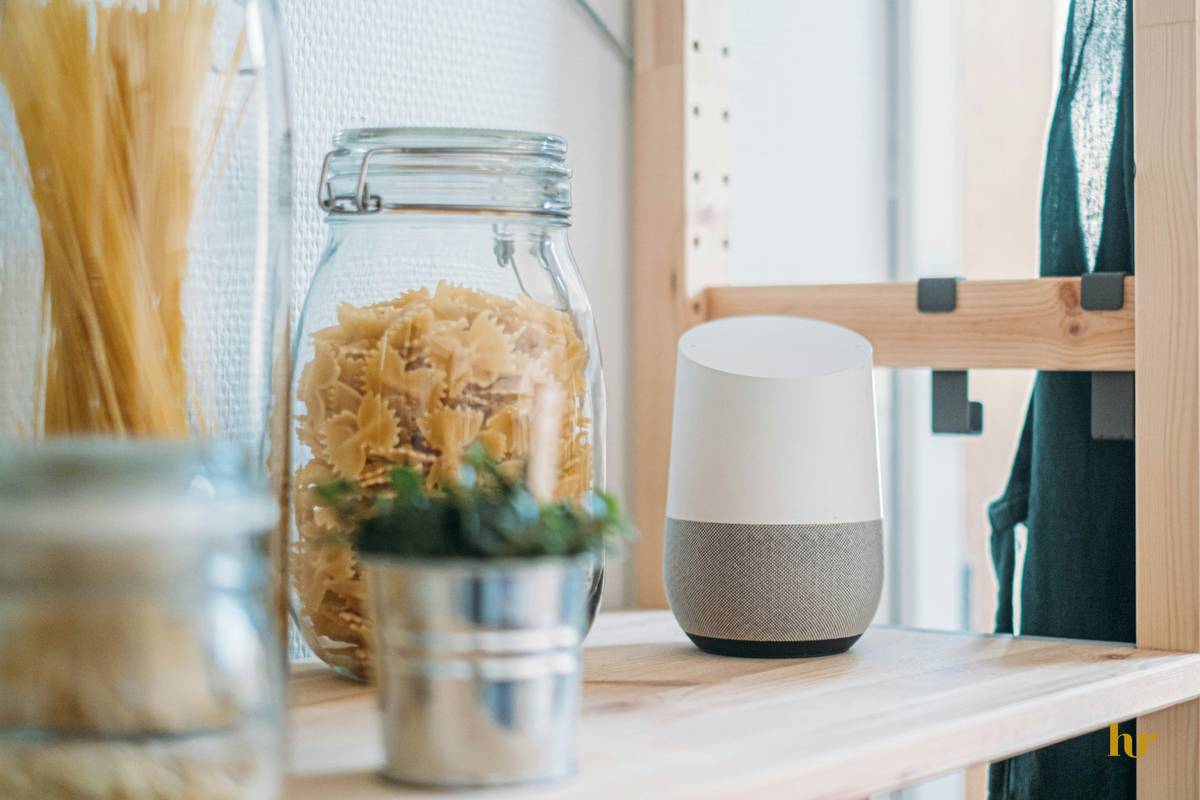
- Native integration only with Samsung SmartThings and Alexa. For HomeKit or Google, use the official Avex Electronics bridge hub (sold separately). Third-party bridges void remote diagnostics coverage.
- What happens during a power outage?
- The unit saves cycle progress for up to 8.3 minutes. When power resumes, it automatically restarts from the last completed phase—no manual reset needed.
- Do I need special detergent for the quadwash pro smart dishwasher?
- No. Standard phosphate-free pods work perfectly. But avoid powdered detergents with sodium carbonate above 15%—they corrode the stainless steel interior over time.
- Is the Wi-Fi module replaceable if it fails?
- Yes—and covered under the limited 3-year electronics warranty. Replacement requires certified technician service only; do not attempt DIY. Details in our Privacy Policy section on IoT device data retention.
Let’s be real: dishwashers shouldn’t demand attention. They should disappear into the rhythm of your home—then impress you when you least expect it. The Quadwash Pro Smart Dishwasher doesn’t shout “I’m smart!” It whispers “Your glasses are spotless” while you’re halfway through brewing coffee. That quiet competence? That’s the future of Home Improvement.
If you’ve upgraded your kitchen lately—or are planning to—we’d love your input. Contact us with your real-world tips, setup hurdles, or even your biggest “dishwasher rage moment.” Because the best upgrades aren’t just engineered—they’re earned, one perfect rinse cycle at a time.